What Is Sesame Seed Oil? Benefits, Uses, and Nutrition Explained
-
admin
- Posted on
- 0 comments
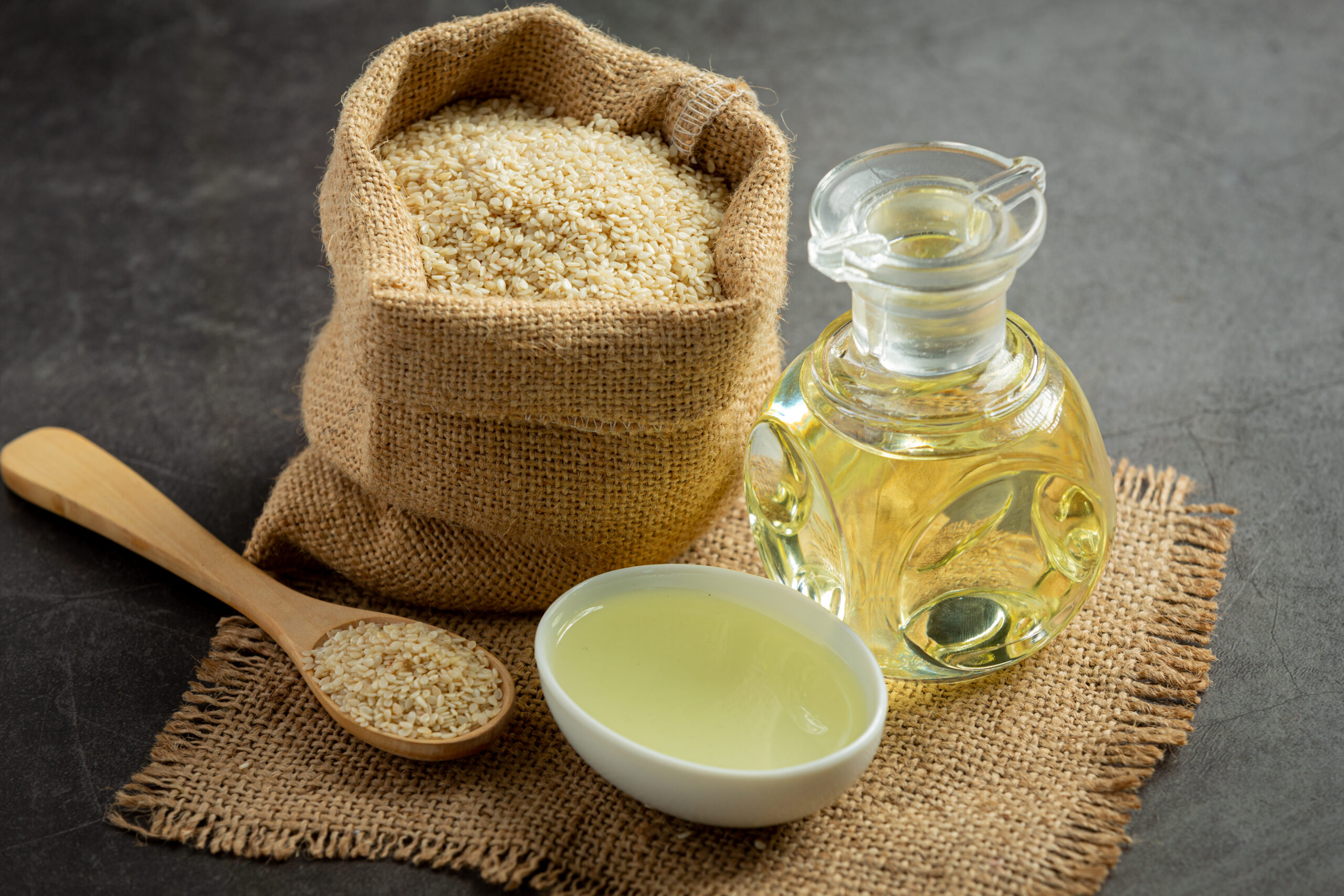
Sesame seed oil, often referred to as gingelly oil or til oil, is one of the oldest known edible oils used by humankind. Extracted from sesame seeds (Sesamum indicum), this golden-hued oil is prized not only for its rich, nutty flavor but also for its remarkable nutritional and medicinal properties. From traditional Asian cuisine to Ayurvedic therapy, sesame oil has been an essential part of diets and wellness practices for centuries.
What Is Sesame Seed Oil?
Sesame seed oil is derived from raw or roasted sesame seeds through cold-pressing or solvent extraction. The method of extraction determines the flavor and color of the oil:
- Cold-pressed sesame oil is light in color and has a mild, delicate flavor.
- Toasted sesame oil is darker, richer, and has a more intense nutty aroma.
The oil is widely used in Asian, Middle Eastern, and African cooking, and also plays a significant role in skincare, haircare, and traditional medicine.
Nutritional Profile of Sesame Seed Oil
Sesame oil is packed with essential nutrients and healthy fats. Here’s a breakdown of its nutritional composition per tablespoon (about 14 grams):
- Calories: 120
- Total Fat: 14 g
- Monounsaturated fat: 6 g
- Polyunsaturated fat: 6 g
- Saturated fat: 2 g
- Vitamin E: 15% of daily value
- Antioxidants: Sesamol, sesamin, and sesamolin
While sesame oil is high in calories like other oils, it offers numerous health benefits due to its healthy fat content and antioxidants.
Health Benefits of Sesame Seed Oil
1. Promotes Heart Health
Sesame oil contains heart-friendly fats, particularly omega-6 fatty acids and monounsaturated fats, which help lower bad cholesterol (LDL) and increase good cholesterol (HDL). Regular use can improve overall cardiovascular health.
2. Rich in Antioxidants
Compounds like sesamol and sesamin make sesame oil a potent antioxidant. These protect the body from free radical damage, reducing the risk of chronic diseases and premature aging.
3. Supports Skin Health
Sesame oil is a natural moisturizer rich in vitamin E. It helps soothe dry skin, heal minor wounds, and protect against UV damage. In Ayurvedic traditions, it is often used for Abhyanga (oil massage) to nourish the skin and improve circulation.
4. Strengthens Hair and Scalp
Due to its nourishing and antimicrobial properties, sesame oil is used as a natural hair conditioner. It helps reduce dandruff, promote hair growth, and prevent scalp infections.
5. Aids in Managing Inflammation
The anti-inflammatory properties of sesame oil make it beneficial for people with arthritis and joint pain. When applied topically, it can soothe sore muscles and stiff joints.
6. Supports Oral Health
Oil pulling with sesame oil—a traditional Ayurvedic practice—involves swishing the oil in the mouth to remove toxins and improve oral hygiene. This helps reduce plaque and gum inflammation.
Culinary Uses of Sesame Seed Oil
Sesame oil adds a distinctive flavor and aroma to many dishes. Here are some common culinary applications:
- Cooking Oil: Light sesame oil is used for sautéing, stir-frying, and shallow frying.
- Flavor Enhancer: Toasted sesame oil is often added at the end of cooking or used as a dressing for salads, noodles, and soups.
- Marinades and Sauces: It enhances the flavor of marinades, dips, and sauces like teriyaki or tahini.
- Pickling: In some cultures, sesame oil is used in pickling for its preservative properties.
Non-Culinary Uses of Sesame Oil
Beyond the kitchen, sesame seed oil has a wide range of uses in health and wellness:
- Massage Therapy: Used for relaxation and improving blood circulation.
- Aromatherapy: Acts as a carrier oil for essential oils.
- Skincare: Common ingredient in lotions, sunscreens, and soaps.
- Medicinal Applications: Used in Ayurveda and traditional Chinese medicine to balance body energies and treat ailments.
Possible Side Effects and Precautions
While sesame oil is generally safe, people with sesame allergies should avoid it. Overconsumption may contribute to weight gain due to its high calorie content. Always store sesame oil in a cool, dark place to prevent rancidity.
Conclusion
Sesame seed oil is more than just a cooking ingredient—it’s a powerhouse of nutrition, wellness, and tradition. Whether used for enhancing flavor in your meals, moisturizing your skin, or strengthening your hair, this ancient oil continues to prove its timeless value in modern health and beauty practices.