Is Castor Oil a Natural Remedy or Just a Trend?
-
admin
- Posted on
- 0 comments
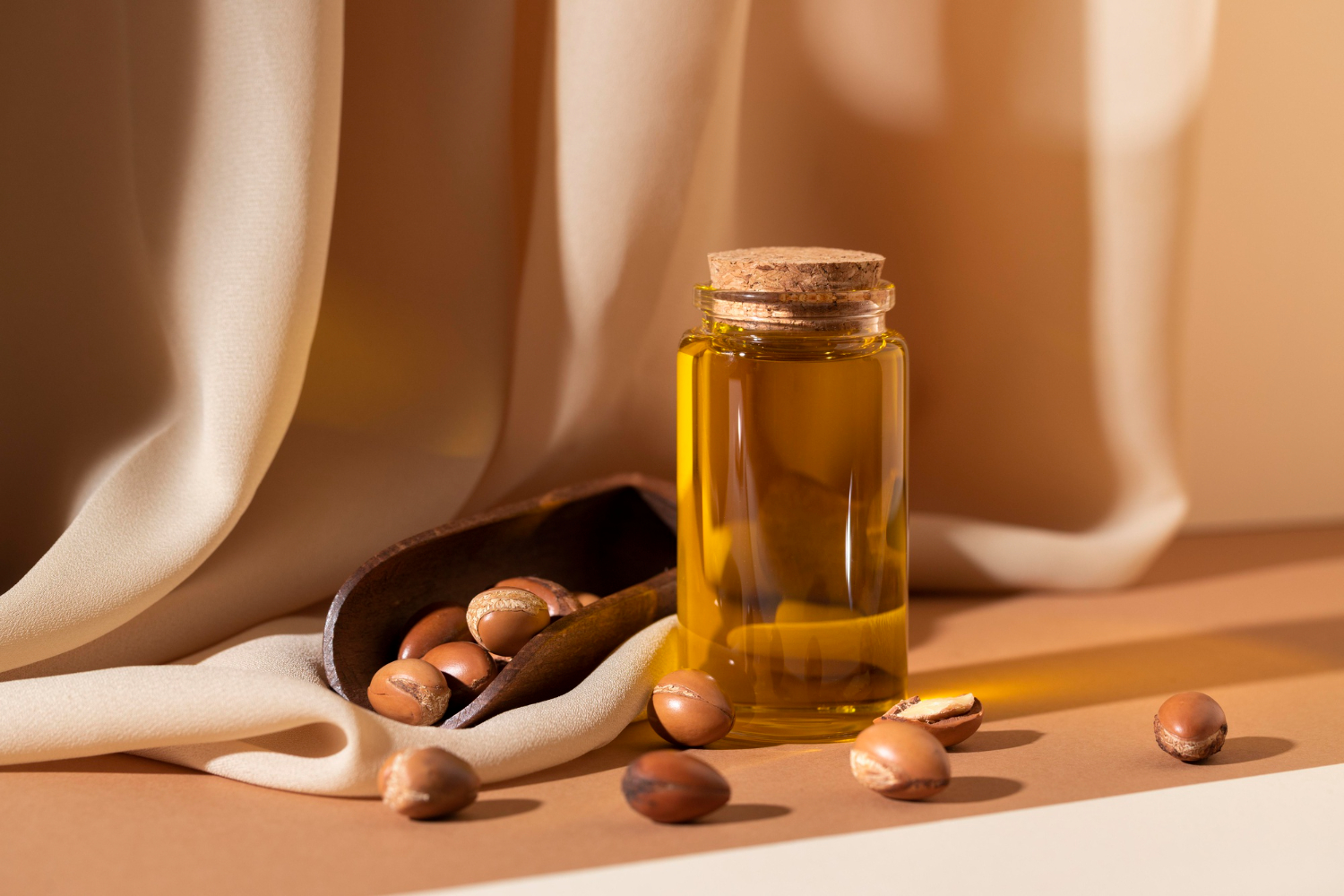
Castor oil has been used for centuries, yet in recent years it has exploded in popularity across social media, natural wellness forums, and beauty communities. From hair growth claims to digestive support, people are asking: Is castor oil genuinely effective, or is it simply the latest wellness trend?
Below, we explore its history, benefits, uses, and the science behind it—helping you determine whether pure castor oil deserves a place in your routine.
1. What Is Castor Oil?
Castor oil is a vegetable oil extracted from the seeds of the Ricinus communis plant. It is rich in ricinoleic acid, a unique fatty acid that gives the oil its signature anti-inflammatory and moisturizing properties. Traditionally, pure castor oil has been used in medicine, skincare, and household remedies.
2. A Brief History of Castor Oil as a Natural Remedy
Long before it gained traction online, castor oil was used in:
- Ancient Egypt for skin treatments and labor induction
- Ayurvedic medicine for detoxification and healing
- Traditional Chinese medicine for inflammation and circulation
- 20th-century home remedies for constipation, scalp health, and wound care
Its long-standing use suggests it’s more than a passing trend.
3. Claimed Benefits of Castor Oil
A. Hair Growth and Scalp Health
Castor oil is often praised for strengthening hair and supporting growth. While scientific evidence is limited, its moisturizing properties can improve scalp health, which indirectly supports healthier hair. Applying pure castor oil to the scalp can help reduce dryness and flaking.
B. Skin Moisturization
Rich in fatty acids, castor oil can help lock in moisture. People use it to treat:
- Dry skin
- Chapped lips
- Minor irritation
- Stretch marks
C. Anti-Inflammatory Effects
Ricinoleic acid may help reduce inflammation when applied topically. This is why castor oil packs are popular for muscle tension and menstrual discomfort.
D. Digestive Support
Historically, castor oil was used as a natural laxative. Today it’s still effective, but should be used cautiously and under medical guidance.
4. What Does Science Say?
Scientific research supports some—but not all—of castor oil’s claims:
- Proven: Castor oil is an effective stimulant laxative.
- Likely: It has anti-inflammatory and antimicrobial properties.
- Limited Evidence: Hair growth benefits are mostly anecdotal.
- Not Supported: Miracle cures, detox claims, and weight-loss effects.
So while it is not a magic oil, it does have scientifically supported uses.
5. Trend or Tried-and-True Remedy?
The recent popularity of castor oil on platforms like TikTok has brought it into the spotlight, but the oil itself is far from new.
Why It’s Trending:
- Social media success stories
- Focus on natural and clean beauty
- Popularity of DIY remedies
- Increased awareness of sustainable skincare products
Why It’s Still Relevant:
- Long history of cultural and medicinal use
- Supported by some scientific research
- Versatility for skin, hair, and wellness routines
In reality, castor oil is both a traditional remedy and a modern trend—its benefits are real, but sometimes exaggerated online.
6. How to Use Castor Oil Safely
If you want to try castor oil, choose high-quality pure castor oil and follow safety guidelines:
- Always perform a patch test to avoid allergic reactions.
- Avoid ingesting castor oil unless advised by a healthcare provider.
- Do not apply near eyes without caution.
- Pregnant individuals should avoid internal use.
7. Final Verdict: Natural Remedy or Just a Trend?
Castor oil is not just a trend—it’s a time-tested natural remedy with real benefits. However, understanding its limitations is important. It’s effective for moisturizing, soothing inflammation, and supporting digestive health, but claims like dramatic hair growth or instant healing are often overstated.
If you choose high-quality pure castor oil and use it properly, it can be a valuable addition to your wellness and beauty routine.